

From Tantrums to Triumphs: How Emotional Coaching Builds Resilience in 0–4 Year Olds
Helping Tiny Humans Develop Big Feelings — The Fun Way!
If you’ve ever witnessed a toddler flop onto the floor like they’ve lost the world’s biggest ice cream cone, you know tantrums can be dramatic enough to rival Shakespeare. But here's the good news: these mini “emotional hurricanes” are actually powerful moments of growth! Emotional Coaching is all about guiding kiddos through those big feelings so they can come out on the other side with new confidence, empathy, and resilience.
So what exactly is Emotional Coaching? Think of it as teaching a preschooler how to ride a bike — but instead of training wheels, you’re giving them words for their feelings. You help them learn to say, "I'm mad because my cookie broke!" instead of melting down completely. By naming and validating emotions, kids begin to realize their big feelings aren't too scary. In fact, they can handle them!
Research suggests emotional coaching not only helps children calm down more quickly, but also fosters better friendships, problem-solving skills, and overall mental well-being (Siegel & Payne Bryson, 2011). Imagine a future where your five-year-old can say, “I’m frustrated that my tower fell, but I’ll try building it differently.” That is the magic of early resilience!
- Label the Emotion: “I see you’re feeling sad.”
- Empathize: “It’s okay to feel sad when you can’t play outside.”
- Encourage Solutions: “What can we do instead?”
- Celebrate Progress: High-fives for trying a new approach!
Ready to turn tantrums into triumphs? Start by tuning in — next time that meltdown arises, ask yourself: “What’s really going on here?” Maybe they’re hungry, overtired, or just overwhelmed by an army of sparkly new toys. By approaching them with curiosity and compassion, you'll slowly see those frustrated tears transform into confidence and calm.
So, let’s ditch the guilt when the next meltdown hits. Instead, give yourself a pat on the back for helping them practice emotions in real time. After all, every little tantrum you navigate with empathy is another stepping-stone toward a lifetime of emotional strength. Who knew drama-queen moments could be so beneficial?
Gottman, J. M. & Declaire, J. (1997). The Heart of Parenting: Raising an Emotionally Intelligent Child. Simon & Schuster.
Siegel, D. J., & Payne Bryson, T. (2011). The Whole-Brain Child: 12 Revolutionary Strategies to Nurture Your Child's Developing Mind. Delacorte Press.


Bridging Home and Daycare: Tips for Creating Seamless Routines That Boost Early Development

Harmonizing Environments for Your Child’s Growth and Happiness!
Transitioning between home and daycare can be a challenging time for both parents and children. Establishing seamless routines is key to ensuring your little one thrives in both environments. Consistent routines not only provide a sense of security but also foster essential developmental skills. Here’s how you can bridge home and daycare effectively to support your child’s early growth.
1. Synchronize Schedules: Aligning your home schedule with the daycare’s routine can minimize confusion and help your child adjust more smoothly. If daycare starts at 8 AM, try to wake up around the same time each day. Consistent meal and nap times across both settings reinforce healthy habits and reduce stress for your child.
2. Communicate Openly: Maintain open lines of communication with daycare providers. Share important information about your child’s preferences, routines, and any changes that occur at home. Regular updates can help daycare staff create a consistent environment that mirrors home, ensuring your child feels secure and understood.
3. Create Transitional Rituals: Develop simple rituals that signal transitions between home and daycare. This could be a special goodbye hug, a unique handshake, or a short story that you read together before leaving for daycare. These rituals provide comfort and signal to your child that they are moving between familiar settings.
- Consistent Bedtime Routines: Establish a calming bedtime routine that mirrors the one at daycare, such as reading a book or singing a lullaby.
- Uniform Snack Times: Serve similar snacks at home and daycare to create a sense of familiarity.
- Regular Check-Ins: Have daily or weekly check-ins with daycare providers to discuss your child’s progress and any adjustments needed.
4. Foster Independence: Encourage your child to take on small responsibilities that align with daycare practices. Whether it’s tidying up toys or putting on their coat, these tasks build confidence and mirror the skills they develop in daycare.
5. Reinforce Learning: Support the learning activities your child engages in at daycare by incorporating similar games and educational activities at home. This reinforcement solidifies new skills and concepts, making learning a continuous and enjoyable experience.
Research underscores the importance of consistent routines in early childhood development. A study by Barnett & Hustedt (1996) found that children who experience consistent routines between home and daycare settings exhibit higher levels of emotional regulation and social competence. Additionally, the National Association for the Education of Young Children (NAEYC) emphasizes that synchronized routines support cognitive development and foster a secure attachment between children and caregivers (NAEYC, 2020).
6. Support Emotional Transitions: Recognize that transitions can be emotionally taxing for young children. Provide reassurance and acknowledge their feelings during these times. Techniques such as deep breathing, storytelling, or simple conversations about their day can help them process their emotions and feel supported.
So, how can you implement these tips effectively? Here are some actionable steps:
- Establish a Daily Planner: Use a planner to track and align activities at home and daycare.
- Coordinate with Caregivers: Schedule regular meetings with daycare providers to discuss your child’s needs and progress.
- Be Patient and Flexible: Understand that adjusting routines takes time and be open to making gradual changes.
- Provide Comfort Items: Allow your child to bring a favorite toy or blanket from home to daycare for added comfort.
By bridging the routines of home and daycare, you’re creating a harmonious environment that supports your child’s holistic development. Consistency, communication, and empathy are the cornerstones of successful transitions, ensuring your child feels loved, secure, and ready to explore the world around them.
Ready to create seamless routines that boost your child’s development? Get in Touch with Us!
Barnett, M. G., & Hustedt, J. T. (1996). *Early Childhood Education: Birth Through Age Eight*. Prentice Hall.
National Association for the Education of Young Children (NAEYC). (2020). *Early Childhood Program Accreditation Standards and Assessment Items.* NAEYC.
Johnson, E. B., & Walker, C. M. (2017). *The Impact of Consistent Routines on Child Development.* Child Development Perspectives, 11(3), 201-206.
Smith, L. M. (2015). *Creating Harmonious Transitions: The Role of Consistent Routines in Early Childhood Education.* Journal of Early Childhood Research, 13(2), 123-135.
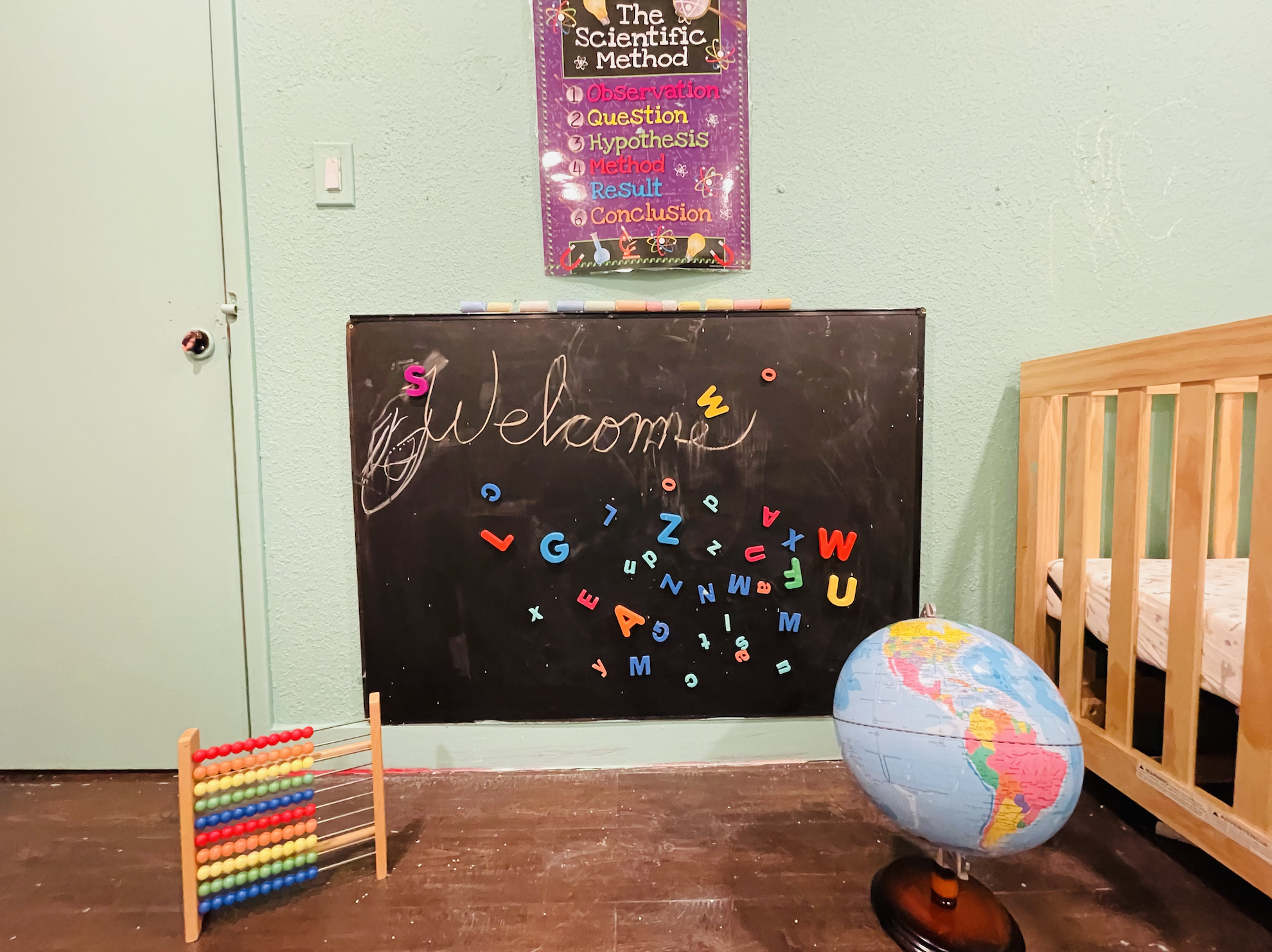
Small Ratios, Big Benefits: Why Home-Based Preschool Sparks Rapid Growth in Young Learners

Nurturing Young Minds with Personalized Attention!
Imagine a learning environment where every child’s voice is heard, every curiosity is nurtured, and each little learner receives the individual attention they deserve. That’s the magic of home-based preschools! With smaller teacher-to-child ratios, these cozy educational settings provide a unique space for rapid growth and development in infants and toddlers.
So, why are small ratios so impactful? Let’s dive into the incredible benefits that make home-based preschools a fantastic choice for your child’s early education.
1. Personalized Attention: In a home-based preschool, teachers manage fewer children, allowing them to tailor their teaching methods to each child’s unique learning style. This personalized approach ensures that every child progresses at their own pace, building confidence and a strong foundation for future learning.
2. Stronger Relationships: Small ratios foster closer bonds between teachers and students. These strong relationships create a safe and supportive environment where children feel comfortable exploring new ideas and taking risks in their learning journey.
3. Enhanced Social Skills: With fewer peers, children have more opportunities for meaningful interactions. They learn to communicate effectively, share resources, and develop empathy, which are essential skills for their overall social development.
4. Flexible Learning Environment: Home-based preschools often offer a more flexible and adaptable curriculum. This flexibility allows teachers to incorporate a variety of activities that cater to the interests and developmental needs of each child, promoting a love for lifelong learning.
- Customized Learning Plans: Teachers can create individualized plans that address each child’s strengths and areas for growth.
- Focused Support: Children receive the help they need promptly, ensuring they stay engaged and motivated.
- Community Feel: The intimate setting fosters a sense of community and belonging, making learning a collaborative and enjoyable experience.
Research supports the benefits of small class sizes in early childhood education. A study by the National Institute for Early Education Research (NIEER) found that children in smaller preschool settings show greater gains in social-emotional skills and cognitive development compared to those in larger classrooms (Heckman et al., 2010). Additionally, the National Association for the Education of Young Children (NAEYC) emphasizes that lower teacher-to-child ratios are crucial for creating high-quality educational experiences that foster rapid growth and development (NAEYC, 2020).
5. Safety and Well-Being: In a smaller, home-based setting, it’s easier to maintain a safe and nurturing environment. Teachers can closely monitor each child’s well-being, ensuring they feel secure and cared for as they navigate their early learning experiences.
6. Parental Involvement: Home-based preschools often encourage greater parental involvement. This partnership between parents and teachers enhances the child’s learning experience, providing consistency and support both at home and in the educational setting.
So, how can you choose the right home-based preschool for your child? Here are some tips:
- Visit the Setting: Observe the classroom environment to ensure it’s safe, welcoming, and stimulating.
- Meet the Teacher: Get to know the teacher’s qualifications, teaching philosophy, and approach to individualized learning.
- Check References: Speak with other parents to gain insights into their experiences and the preschool’s effectiveness.
- Review Curriculum: Ensure the curriculum is comprehensive, balanced, and tailored to support each child’s development.
Choosing a home-based preschool with small ratios can make a significant difference in your child’s early education journey. It’s an investment in their future, providing them with the personalized attention and supportive environment they need to thrive. So, if you’re looking for a setting where your little one can grow rapidly, build strong relationships, and develop a lifelong love for learning, a home-based preschool might be the perfect fit!
Ready to explore the benefits of a home-based preschool for your child? Contact Us Today!
Heckman, J. J., Moon, S. H., Pinto, R., Savelyev, P. A., & Yavitz, A. (2010). The rate of return to the HighScope Perry Preschool Program. Early Childhood Research Quarterly, 25(1), 1-19.
National Association for the Education of Young Children (NAEYC). (2020). Early Childhood Program Accreditation Standards and Assessment Items. NAEYC.
National Institute for Early Education Research (NIEER). (2010). The State of Preschool 2010: State Preschool Yearbook. NIEER.

The Power of ‘Messy Play’ for Infants and Toddlers: Fostering Curiosity Through Hands-On Exploration

Embrace the mess and watch your little ones thrive!
Remember those delightful moments when toddlers dive into a tub of paint or squish their hands into a bowl of flour? Messy play is not just fun and games—it’s a crucial part of early childhood development! Embracing the mess allows infants and toddlers to explore their world, develop essential skills, and ignite their natural curiosity.
So, what exactly is messy play? It’s any play activity that involves tactile experiences, such as playing with sand, water, mud, or various art supplies. These sensory-rich activities are more than just enjoyable; they lay the foundation for cognitive, social, and motor skill development. According to Ginsburg (2007), sensory play is vital for fostering creativity and problem-solving abilities in young children.
Research highlights several key benefits of messy play:
- Enhances Sensory Development: Engaging multiple senses helps children understand and interpret their environment.
- Boosts Fine Motor Skills: Activities like squeezing, pouring, and molding improve hand-eye coordination and dexterity.
- Encourages Creativity and Imagination: Freeform play without strict guidelines allows children to think outside the box.
- Promotes Emotional Regulation: Messy play can be therapeutic, helping children express and manage their emotions.
- Facilitates Social Skills: When done in groups, messy play fosters cooperation, sharing, and communication.
A study by Fisher, Hirsh-Pasek, Golinkoff, and Gryfe (2008) found that children who engage in sensory-rich play activities demonstrate higher levels of creativity and better problem-solving skills. Additionally, messy play provides a safe space for children to take risks and learn from their mistakes, which is essential for building resilience and confidence.
So, how can you incorporate messy play into your child’s routine? Here are some fun ideas:
- Art Projects: Use washable paints, markers, and large sheets of paper for creative expression.
- Nature Exploration: Collect leaves, sticks, and rocks for outdoor sensory activities.
- Cooking Together: Let toddlers help mix ingredients, knead dough, or decorate cookies.
- Water Play: Set up a water table with cups, funnels, and floating toys for splashy fun.
- Sand Play: Provide sandboxes or kinetic sand for digging, building, and shaping.
Remember, the key to successful messy play is to create a safe and controlled environment. Use protective coverings, set clear boundaries, and ensure that materials are non-toxic and age-appropriate. Embrace the inevitable mess as a sign of active engagement and joyful exploration!
By integrating messy play into daily activities, you’re not just keeping your child entertained—you’re nurturing their growth and development in meaningful ways. So, grab those paints, dive into the mud, and watch your little ones discover the wonders of their world through delightful, hands-on exploration.
Fisher, K. R., Hirsh-Pasek, K., Golinkoff, R. M., & Gryfe, S. G. (2008). Conceptual split? Parents’ and experts’ perceptions of play in the early childhood curriculum. Early Childhood Research Quarterly, 23(2), 237-246.
Ginsburg, K. R. (2007). The importance of play in promoting healthy child development and maintaining strong parent-child bonds. Pediatrics, 119(1), 182-191.
Markham, L. (2020). Raising Resilient Children: Fostering Strength, Hope, and Optimism in Your Child. Bantam Books.
Brown, S. (2009). Whole Brain Child: 12 Revolutionary Strategies to Nurture Your Child’s Developing Mind. Delacorte Press.

Male Caregivers in Early Childhood: Valuing Their Role and Strengths
Over the past few decades, the early childhood research literature has shifted substantially, prompting scholars and educators alike to champion a more inclusive approach to child-rearing and early education (Cabrera, Volling, & Barr, 2018). While fathers have long been perceived as secondary caregivers to mothers, modern research reveals that their involvement in caregiving roles fosters notable improvements in infant cognitive development, language acquisition, and social-emotional well-being (Schaub, 2021). Beyond the family context, the value of male teachers in preschool classrooms has gained increasing recognition, emphasizing the need for diverse role models and teaching styles. When men participate actively in these nurturing roles, children benefit from enriched learning experiences that transcend stereotypical notions of caregiving and education (McGrath & Meyer, 2020).
The Value of Male Caregiving for Infants
Male caregivers often bring unique and equally effective forms of support and guidance to the care of infants. Contemporary studies suggest that infants with engaged fathers and other male caregivers typically exhibit stronger socio-emotional skills, such as greater resilience and emotional regulation, compared to those who lack paternal involvement (Sarkadi et al., 2021). Furthermore, men’s approach to play—often more physical and stimulating—can positively complement maternal styles, encouraging infants to develop confidence, risk-taking behaviors, and exploratory curiosity (Cabrera et al., 2018). This balance of nurturing and stimulating interactions appears to lay the foundation for healthy cognitive and psychological development.
From a practical standpoint, having men involved in caregiving also combats harmful stereotypes. By seeing fathers and other male figures partake in feeding, changing diapers, and soothing infants, children learn that caring is a shared responsibility rather than a task relegated to women (Schaub, 2021). These early lessons in gender equality can foster a broader social awareness that children carry forward into adolescence and adulthood.
Men as Preschool Teachers
Beyond the home environment, the presence of male educators in early childhood settings can significantly enrich children’s learning experiences. According to a cross-national comparative study, many preschool programs report persistent gender disparities in staffing, with men representing a small fraction of early childhood educators (Kroll, Van de Ven, & Jansen, 2020). This imbalance often denies young children the opportunity to interact with male teachers who can model positive behaviors, expand children’s understanding of gender roles, and enhance the diversity of teaching styles within a program (McGrath & Meyer, 2020).
When men teach in preschool classrooms, children benefit from an inclusive environment that underscores collaboration, empathy, and respect across genders (Kroll et al., 2020). Additionally, male educators may help cultivate healthy attitudes toward masculinity in young boys, showing that it is possible—and indeed praiseworthy—to be empathetic, caring, and nurturing. Meanwhile, for girls, male teachers can represent a source of trust, security, and affirmation, further broadening their perspective of positive male figures outside the home (Sarkadi et al., 2021).
Modern Scholarly Perspectives and Future Directions
Modern scholarship increasingly emphasizes the importance of policy and organizational changes to support and encourage male involvement in both family caregiving and professional early childhood education (McGrath & Meyer, 2020). Flexible work arrangements and targeted recruitment strategies, for instance, can mitigate barriers that deter men from pursuing or remaining in caregiving roles (Kroll et al., 2020). Mentorship programs and professional development tailored for male educators have also emerged as powerful tools to foster retention and growth, ultimately contributing to the well-being of children, the satisfaction of male teachers, and the health of educational communities.
Moving forward, research can further examine how cultural norms and biases shape men’s motivations and experiences in caregiving. By integrating male caregivers into the broader discourse on early childhood education, we can create a more equitable and effective system—one that champions the varied strengths both men and women bring to the developmental journey of young children (Sarkadi et al., 2021).
The participation of men in infant care and preschool education challenges enduring stereotypes and enriches the social, emotional, and cognitive environments of young learners. Male caregivers bring valuable perspectives to parenting and teaching, helping children develop confidence, emotional awareness, and positive attitudes toward diversity in gender roles. As policies and public perceptions continue to evolve, supporting men in caregiving roles stands as a crucial step toward creating a more inclusive and dynamic early childhood landscape for all children.
References
Cabrera, N. J., Volling, B. L., & Barr, R. (2018). Fathers are parents, too! Widening the lens on parenting for children’s development. Child Development Perspectives, 12(3), 152–157. https://doi.org/10.1111/cdep.12275
Kroll, T., Van de Ven, M., & Jansen, R. (2020). Men in early childhood education: A cross-national comparison of workforce composition, professional beliefs, and perceived gender barriers. In T. Kroll & S. L. Wilson (Eds.), Early childhood educators: The workforce, professional beliefs, and gender issues (pp. 45–62). Routledge.
McGrath, W. H., & Meyer, L. (2020). Facilitating father engagement: The role of early childhood educators in supporting father-friendly policies. Early Childhood Education Journal, 48(4), 505–515. https://doi.org/10.1007/s10643-019-01017-0
Sarkadi, A., Kristiansson, R., Oberklaid, F., & Bremberg, S. (2021). Fathers’ involvement and children’s developmental outcomes: A systematic review of longitudinal studies. Acta Paediatrica, 110(1), 93–102. https://doi.org/10.1111/apa.15432
Schaub, M. (2021). The father factor in early childhood: Enhancing paternal engagement in the care and education of young children. Early Childhood Education Journal, 49(6), 1145–1157. https://doi.org/10.1007/s10643-021-01239-6